Gearbox vs Derailleur: Which Drivetrain Philosophy Fits Your Riding?
Choosing between a gearbox system and a traditional derailleur setup can shape your entire riding experience. Both approaches have their strengths, and neither is universally better. The right choice depends on your priorities, riding style, terrain, and what you value most while riding.
At Kavenz, we don't believe riders should be forced into one drivetrain philosophy. That's why VHP X can be configured around either a traditional BSA bottom bracket and derailleur system or a Pinion Smart.Shift gearbox.
The question isn't which system is best. The question is which system inspires the most confidence for the way you ride.
The Case for a Gearbox
A gearbox places the gears inside a sealed housing at the center of the bike. Instead of moving the gears to the rear wheel, the drivetrain remains protected from mud, water, rocks, and impacts. For many riders, this translates into significantly reduced maintenance and increased reliability.
Advantages of a Gearbox
Reduced Maintenance
With all gears protected inside the gearbox, wear is dramatically reduced compared to exposed cassettes and derailleurs. Riders spend less time adjusting drivetrains and more time riding.
Consistent Shifting
Modern gearbox systems, such as Pinion Smart.Shift deliver precise and repeatable shifts regardless of trail conditions.
Improved Weight Distribution
Moving the drivetrain mass toward the center of the bike lowers the bike's center of gravity and centralizes weight, helping it remain composed in rough terrain.
Lower Unsprung Mass
One of the biggest performance advantages is the reduction in rear-wheel weight. Without a cassette, derailleur, and freehub body, the suspension has less mass to control. This allows the rear wheel to react more quickly to impacts and maintain better contact with the ground. In rough terrain, lower unsprung mass can improve traction, sensitivity, and suspension performance.
Increased Durability
The absence of a derailleur means there is no rear mech hanging below the axle waiting to encounter rocks, roots, or crashes. For riders who frequently ride in harsh conditions or bike parks, this can be a significant advantage.
Considerations with a Gearbox
Higher System Weight
While the weight is centralized, a gearbox drivetrain typically weighs more than a comparable derailleur setup.
For riders who prioritize the lightest possible bike, this may be a consideration.
Initial Cost
Gearbox systems generally require a larger upfront investment than traditional drivetrains.
Different Ride Feel
The weight distribution and drivetrain characteristics feel different from a conventional setup. Most riders adapt quickly, but the experience is unique.
The Case for a Derailleur
Derailleurs remain the most common drivetrain system in mountain biking for good reason. They are lightweight, efficient, widely available, and supported by decades of development. For racers and riders focused on minimizing weight, derailleurs remain a compelling choice.
Advantages of a Derailleur
Lower System Weight
A derailleur drivetrain is typically lighter than a gearbox setup. For riders focused on climbing performance or overall bike weight, this remains one of the biggest advantages.
High Mechanical Efficiency
Modern derailleur drivetrains are extremely efficient under load. Although the difference is often small in real-world riding, derailleur systems generally offer slightly higher drivetrain efficiency than gearbox systems.
Wide Availability
Replacement parts, service support, and upgrades can be found almost anywhere in the world. This accessibility makes derailleurs easy to maintain and repair.
Broad Component Choice
Riders can choose from a wide range of cassette sizes, gear ratios, cranksets, and drivetrain components. This flexibility allows riders to tailor the drivetrain to specific preferences.
Considerations with a Derailleur
Increased Maintenance
Because the drivetrain is exposed, it is more susceptible to dirt, impacts, and wear. Chains, cassettes, and derailleur components generally require more frequent replacement.
Higher Unsprung Mass
The cassette, derailleur, and freehub assembly add weight directly to the rear wheel. This additional unsprung mass can slightly reduce suspension sensitivity compared to a gearbox configuration.
Greater Vulnerability
Rear derailleurs remain one of the most exposed and commonly damaged components on a mountain bike.
Which System Is Right for You?
Choose a gearbox if you prioritize:
Low maintenance
Durability
Consistent shifting
Reduced unsprung mass
Centralized weight distribution
Long-term reliability
Choose a derailleur if you prioritize:
Lowest possible weight
Maximum drivetrain efficiency
Broad component availability
Familiar setup and maintenance
Extensive gearing options
Two Philosophies. One Platform.
At Kavenz, we don't see gearbox and derailleur systems as competing solutions. They are simply different approaches to solving the same problem. Some riders value efficiency and minimal weight. Others value durability, reduced maintenance, and lower unsprung mass. VHP X allows riders to choose the drivetrain philosophy that best matches how they ride. Because confidence doesn't come from following trends. It comes from riding a bike that's built around your priorities.
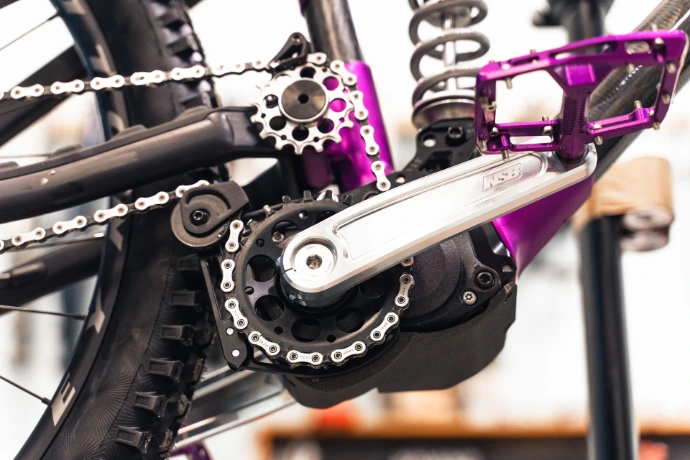
Gearbox Advantages
Gearboxes are sealed from dirt and weather, requiring less upkeep and lasting longer between services. They provide smooth shifting even under load and keep your drivetrain protected in harsh conditions.
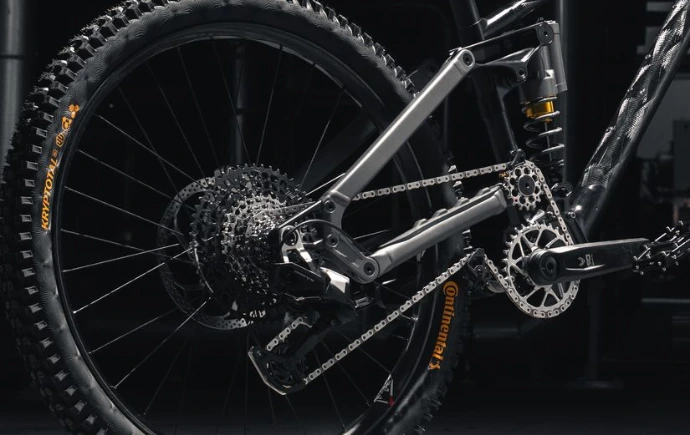
Derailleur Advantages
Derailleurs are generally lighter and more efficient, with a wide range of compatible components. They allow for quick gear changes and easy repairs, making them accessible for most riders.
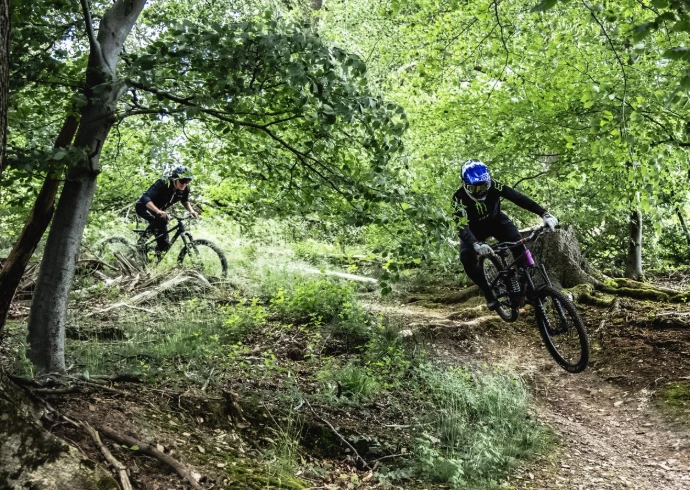
Which Is Right for You?
If you want durability and minimal maintenance, a gearbox may be your best bet. If you prioritize weight, customization, and immediate gear changes, a derailleur system could be the way to go.